




Going the extra mile means asking difficult questions about systems that weren’t designed with survivors in mind, writes Kerry Birtles, Honeycomb Group's Executive Director of Support and Wellbeing, in an exclusive comment piece for Inside Housing.
Earlier this year, our housing advocate sat down with a local bank to ask what seemed like a simple question: what does homeownership really look like for survivors of domestic abuse?
That conversation, sparked by frontline experience, revealed both the scale of the barriers survivors can face and the possibilities that can open up when housing, specialist support and financial services work together. It is this kind of practical, person-centred collaboration that sits at the heart of our work at Honeycomb Group.
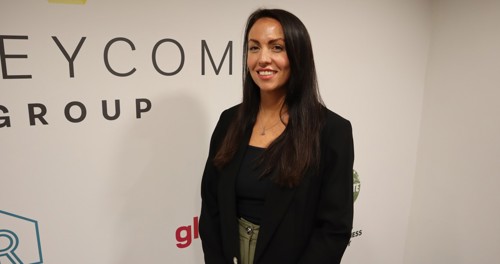
When we talk about domestic abuse, we focus – quite rightly – on immediate safety. But for many victims and survivors, long after the crisis has passed, the barriers to rebuilding a safe, independent life remain. One of the biggest barriers, and often the one least talked about, is access to housing and finance.
Honeycomb Group operates through a model that brings together a registered provider alongside support and well-being services – including our in-house domestic abuse specialist Glow. This integrated approach allows us to draw on in-house expertise across housing, well-being and specialist support, breaking down silos and creating better outcomes for customers.
Through Glow, particularly via our dedicated housing advocate, we are constantly looking for ways to go the extra mile for the people we support. That means thinking beyond traditional pathways and asking difficult questions about systems that weren’t designed with survivors in mind.
Our housing advocate approached local bank Leek Building Society because she wanted to better understand the financial barriers survivors might face, and raise awareness of those barriers within the sector. Through these discussions, she uncovered insights that many survivors simply wouldn’t know.
For example, being on Universal Credit isn’t automatically a barrier to getting a mortgage – the key requirement is being in work. Misconceptions like this can shut down options before they’ve even been explored.
What came through strongly in that conversation was just how many obstacles survivors can face. Financial abuse can leave people with damaged credit, limited access to savings or little understanding of their own financial position.
Just as significant is the impact abuse has on confidence and self-belief, the feeling that homeownership or long-term stability is simply not attainable. At a time of crisis, choices can feel limited and many survivors face tunnel vision about what is realistically possible for their future.
We also spoke about discretion. For some individuals, attending appointments or having financial conversations openly is not safe because they are still living with their perpetrator. Sensitivity, confidentiality and flexibility are essential to keeping people safe.
One of the most important takeaways for us at Glow was learning about the availability of free mortgage broking. For survivors weighing up their options, this kind of accessible, impartial advice can be genuinely life-changing. It can help someone understand what is possible, plan safely and make informed choices without added financial pressure.
Importantly, this doesn’t mean a mortgage is right for everyone right now, but it opens up an opportunity that some may not have realised existed. For some, it could be an achievable goal to work towards, particularly with options like a 5% deposit making homeownership feel more attainable than they might otherwise have thought.
As a result of this work, our housing advocate now feels better equipped to offer informed guidance and signpost survivors to trusted financial institutions. This extends beyond mortgages and includes support around wider financial concerns such as debt management, helping survivors feel more confident navigating their financial future.
It’s also important to recognise that domestic abuse doesn’t only affect individuals. While it’s a less common situation, our housing advocate has supported a couple who were experiencing abuse from a family member. With a joint income, they were in a position where a mortgage could be a real and positive option for them, demonstrating how varied survivors’ circumstances can be.
I feel proud that we’ve taken steps forward with this and drawn on the expertise of financial professionals. These conversations really do make a difference – not just in theory, but in the real lives of people who are trying to move forward after abuse.
If we are serious about supporting survivors, we must be willing to think differently, listen and act. Because safe housing isn’t just a roof over someone’s head, it’s the foundation for recovery, independence and hope.